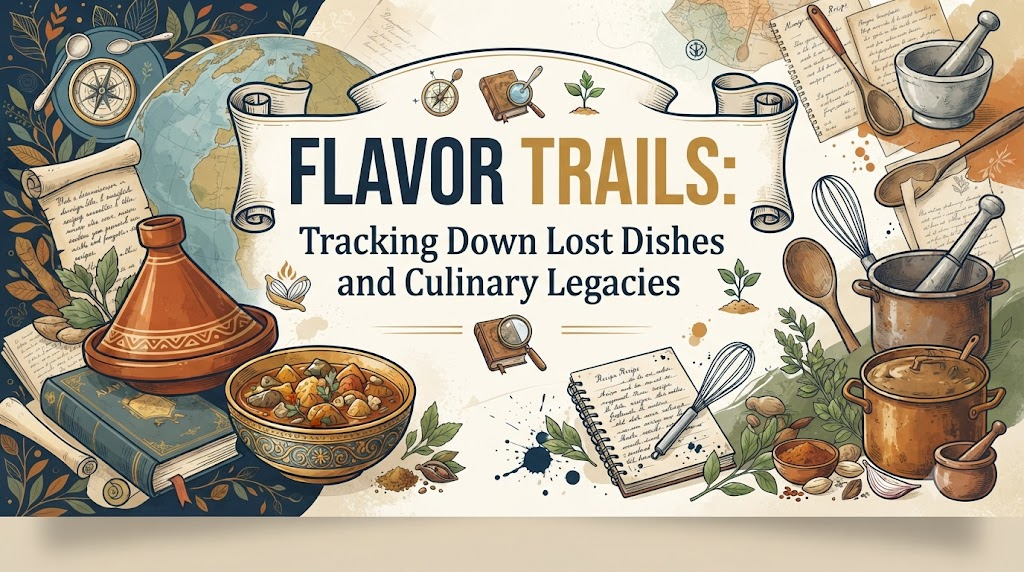
Cooking has always served as a quiet archive of human experience. Every dish holds an unspoken narrative, tying us to times past through familiar scents and comforting tastes. Around the family table, we take part in a living practice shaped by migration, landscape, household customs, and local history. Recipes travel across kitchens through shared moments and spoken advice, shifting and adapting gently with each retelling.
As time moves forward, however, certain plates drift away from our daily routines. Quick-paced lifestyles, modern conveniences, and changing routines frequently distance home cooks from the daily culinary habits of earlier generations. Exploring and protecting these roots matters deeply because traditional food acts as a steady anchor for personal memory and cultural identity.
Defining Vanished Dishes
Vanished dishes refer to preparations that no longer hold a regular place in contemporary kitchens. These may include unrecorded family dishes, regional specialties that faded as populations shifted, or everyday meals altered by convenience and changing schedules.
A recipe can become lost in different ways. Some disappear entirely from public awareness, while others survive quietly within specific households, close-knit communities, or weathered notebooks. Historically, these cooking methods persisted for generations entirely through spoken instruction, leaving them vulnerable whenever communication gaps arose between family members.
The Weight of Heritage Cooking
The value of traditional recipes reaches far beyond the edges of the plate. They function as tangible threads linking us to family history, regional identity, and shared community memories. Each dish reflects local ingredients, time-tested techniques, and generational knowledge accumulated over decades.
Safeguarding heritage cooking lets us honor the resourcefulness of those who came before us. By understanding how earlier communities nourished themselves using nearby resources, we gain a richer appreciation for our shared human history and the diverse ways cultures express hospitality, celebration, and endurance.
Reviving Abandoned Flavors
Unearthing abandoned recipes often feels like a gentle detective puzzle. People can recover these culinary treasures by sorting through old family notebooks, handwritten cards tucked inside kitchen drawers, and listening closely to the memories shared by older relatives.
Beyond the immediate household, community food traditions, regional cookbooks, local food stories, seasonal gatherings, and historical archives offer wonderful avenues for discovery. Approaching these sources with respect for their cultural background ensures that the heart of the tradition stays intact for the future.
The Stories Woven into Kitchen Traditions
Dishes tied to grandmothers and senior family members carry deep emotional and cultural weight. These recipes usually center on cherished memories, cooking techniques learned through watchful observation rather than exact measurements, and seasonal meals prepared for family gatherings and celebrations.
Passing knowledge down happens organically around crowded kitchen counters, where ingredients are often measured by handfuls and intuition. While older female relatives frequently guide these traditions, grandfathers, uncles, aunts, and community elders also play essential roles in keeping these customs alive.
What Defines Classic Culinary Preparations
A recipe earns its traditional status through deep roots in local ingredients, regional cooking methods, cultural practices, historical influences, and seasonal rhythms. These dishes frequently feature local variations and community customs that have endured over time.
Traditional recipes rarely stand completely still. They evolve naturally from generation to generation as cooks adapt to new surroundings and available produce, all while retaining their core identity and distinct flavor profiles.
Ancient Kitchens and Historical Insights
Examining old and ancient cooking traditions provides a fascinating glimpse into historical food habits, preservation methods, local agriculture, and early spices. These dishes reveal how our ancestors utilized trade and cultural exchange to enrich their daily meals long before modern global supply chains existed.
When looking at ancient recipes, viewing them within their specific historical and cultural framework is crucial, avoiding unverified claims. They offer valuable clues about how societies adapted to environmental shifts and changing food availability.
Culinary Heritage Beyond the Recipe
Food heritage represents a much larger concept than a simple list of ingredients. It encompasses traditional cooking techniques, preparation rituals, community celebrations, seasonal eating patterns, and the personal stories linked to specific dishes.
Preserving this heritage helps upcoming generations understand cultural history through sensory experiences. It serves as a reminder that every culture has crafted unique ways of turning raw ingredients into expressions of art, community, and survival.
The Role of Scarce Ingredients in Heritage Cooking
Many traditional dishes depend on items that can be difficult to source today due to shifts in agriculture, urban expansion, changing consumer tastes, and the disappearance of heritage crops. When regional sourcing proves challenging, modern cooks often rely on sensible ingredient substitutions or seasonal alternatives to keep a dish going.
Responsible sourcing and careful identification remain essential, particularly when handling unfamiliar ingredients. Exploring rare components should always prioritize safety and sustainability over strict historical accuracy.
Festive Foods and Cultural Celebrations
Cooking and celebrations are deeply intertwined across human societies. Religious observances, seasonal festivals, community gatherings, and family milestones frequently call for special preparation methods and distinct dishes reserved for specific times of the year.
Sharing these festive food recipes across generations strengthens social ties and collective identity. Representing these traditions accurately means honoring their cultural significance without relying on broad generalizations.
Global Traditions Across Regions
Exploring the vast diversity of traditional food across different regions highlights the incredible adaptability of human creativity. Broad culinary traditions—spanning South Asian, Middle Eastern, Mediterranean, East Asian, African, European regional, Latin American, and indigenous local foodways—offer endless variety.
Prioritizing cultural respect and culinary diversity over ranking different cuisines allows us to appreciate global food heritage without reducing rich cultures to a few familiar clichés.
How Recipes Shift Across Generations
Recipes naturally transform in response to ingredient availability, migration, climate changes, new technology, family preferences, and dietary shifts. When families relocate or adapt to new surroundings, they frequently substitute local ingredients while preserving the soul of the dish.
These organic shifts do not mean the original tradition is lost. Instead, they showcase the resilience and flexibility of culinary heritage as it travels across time and geography.
Methods for Preserving a Family Recipe
Documenting the Ingredients
Recording ingredients alongside approximate quantities creates a reliable starting point that keeps a recipe approachable for future home cooks.
Capturing the Cooking Method
Noting specific techniques, cooking times, heat levels, and preparation steps ensures that the texture and flavor profile remain consistent.
Preserving Family Stories
The background story behind a recipe adds emotional depth, making the meal far more meaningful for those who prepare it years down the road.
Noting Regional Names
Writing down traditional names and local terminology safeguards the linguistic and cultural roots tied directly to the food.
Passing the Recipe Forward
Teaching younger family members practical cooking skills helps keep culinary traditions active and vibrant in everyday life.
Why Certain Dishes Fade Away
Several factors contribute to the fading of culinary traditions, including shifting lifestyles, rapid urbanization, migration, the loss of traditional crops, and a lack of written documentation. When preparation becomes overly time-consuming or fewer people pick up traditional techniques, recipes slowly slip away.
Safeguarding recipes is tightly linked to preserving the knowledge, stories, and cultural context surrounding the food. Without intentional effort, the narratives behind these dishes can disappear just as quickly as their flavors.
Discovering Food Stories Through Blendz.com
For individuals eager to explore food-related content, recipes, culinary traditions, and cultural food experiences, platforms like Blendz.com provide a welcoming environment for discovery. By connecting readers with diverse food narratives, regional recipes, and heritage-focused writing, such resources make engaging with global culinary traditions much simpler.
Whether your goal is to learn more about forgotten recipes, cultural food heritage, or the stories behind everyday meals, exploring curated food content helps keep our connection to traditional cooking alive and relevant in a fast-moving world.
Common Pitfalls in Heritage Preservation
Protecting culinary heritage requires mindfulness to avoid frequent missteps. Documenting only ingredient names without measurements leaves future cooks guessing. Leaving out preparation techniques, ignoring local terminology, or stripping away cultural context reduces the value of the recipe.
Other common mistakes include altering a dish without noting the original version, assuming one family’s variation represents an entire region, relying on unverified history, and failing to respect community traditions or treat cultural food with genuine understanding.
Technology in Safeguarding Culinary Heritage
Modern technology plays a helpful role in protecting culinary knowledge. Digital archives, scanned handwritten recipe cards, audio recordings of elders, video demonstrations, and online food communities allow families and researchers to store vast amounts of information securely.
While digital tools make documentation easier and more accessible, personal engagement, community participation, and cultural context remain irreplaceable components of truly living food traditions.
Keeping Heritage Cooking Relevant Today
Bringing traditional food into modern life does not demand strict adherence to complicated historical methods. Home cooks can simplify preparation steps without losing the core identity of the dish, use locally available substitutes responsibly, and teach traditional techniques in relaxed settings.
Preparing traditional dishes at home, sharing family recipes, and introducing younger generations to regional flavors ensures that these culinary practices remain a lively part of everyday living rather than museum pieces.
The Outlook for Culinary Heritage
The future of culinary heritage looks bright as digital archiving, community networks, and food storytelling continue to expand. A renewed enthusiasm for regional cuisines, the revival of traditional ingredients, and culinary tourism encourage people to explore their own roots while respectfully discovering new cultures.
By documenting family recipes and sharing cross-cultural food discoveries, modern food enthusiasts contribute to an ongoing, global effort to keep classic flavors alive for years to come.
Conclusion
Lost and forgotten recipes hold tremendous value because they protect personal memories, family histories, and cultural identity. Food heritage deserves thoughtful documentation, as the techniques and stories behind our meals reflect who we are and where our paths began.
When younger generations take an interest in keeping these culinary traditions alive, and when we approach food traditions from different cultures with respect and curiosity, our appreciation for food deepens profoundly. Platforms like Blendz.com serve as wonderful companions for readers interested in exploring food stories, recipes, culinary traditions, and the enduring beauty of our shared food heritage.










Leave a Reply
You must be logged in to post a comment.