
-
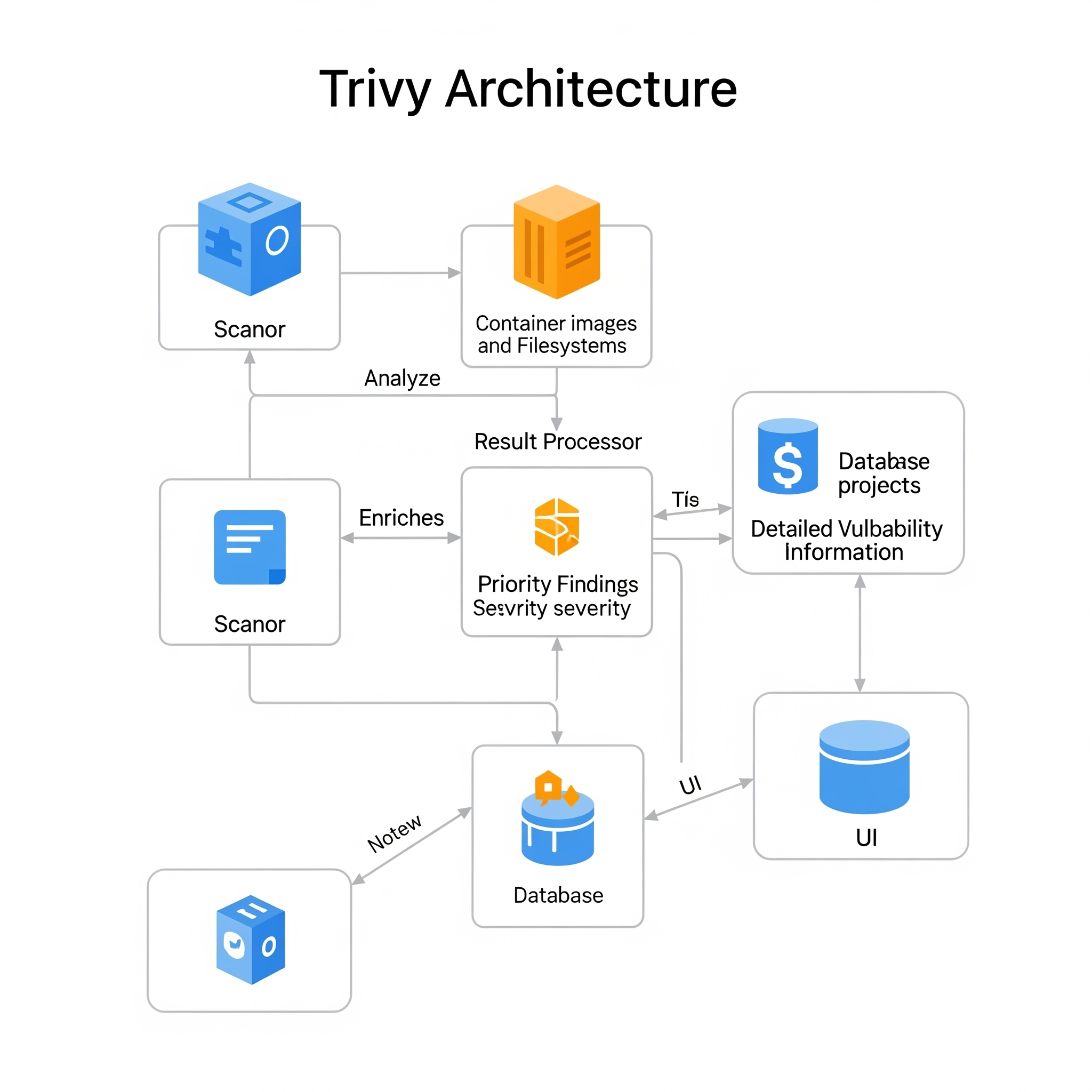
Trivy: A Comprehensive DevSecOps Tutorial
Introduction & Overview What is Trivy? Trivy is an open-source vulnerability scanner developed by Aqua Security, designed to identify security issues in container images, Kubernetes clusters, file systems, code repositories, and Infrastructure as Code (IaC) configurations. Known for its simplicity, speed, and comprehensive scanning capabilities, Trivy is a go-to tool for DevSecOps teams aiming to…
-
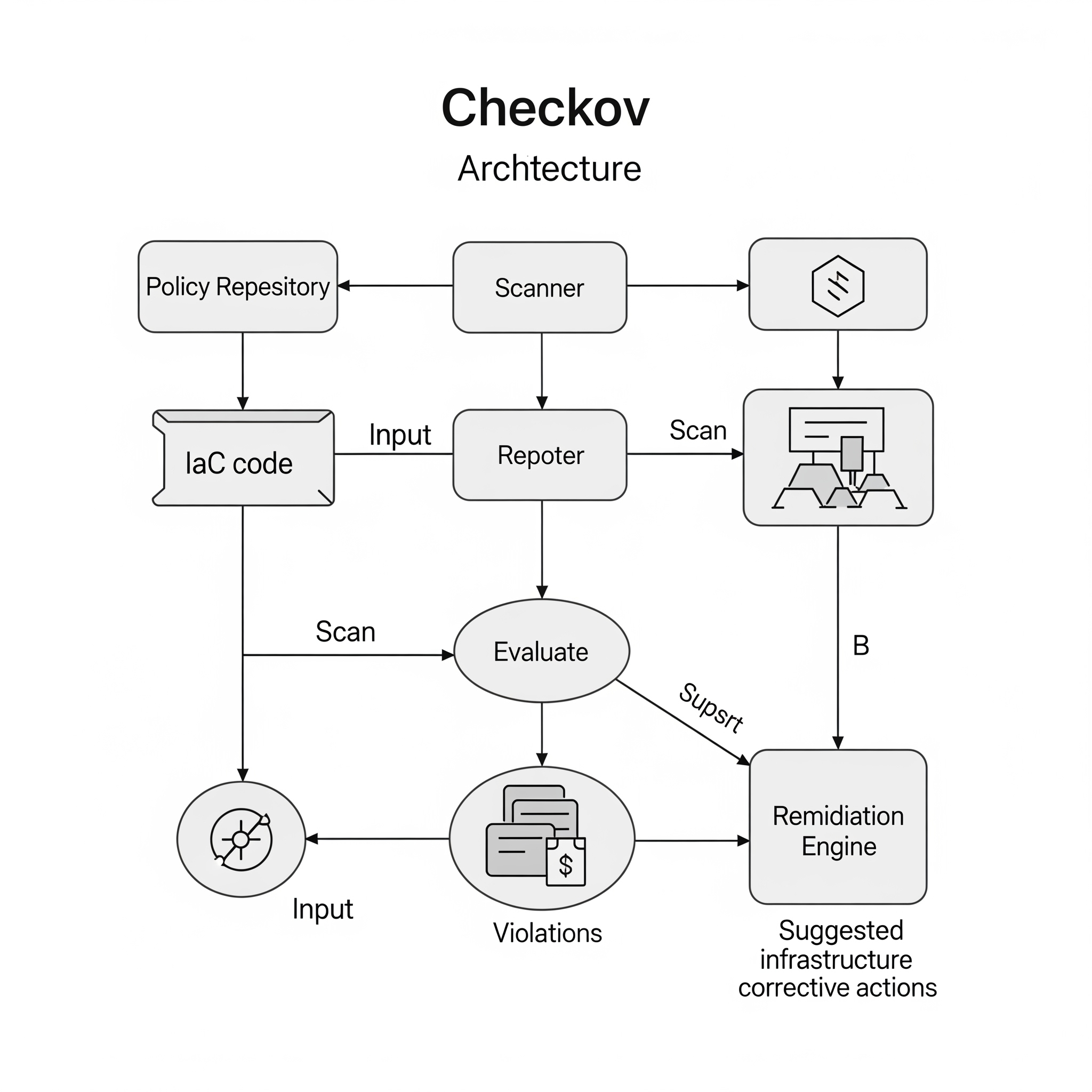
Comprehensive Tutorial on Checkov in DevSecOps
Introduction & Overview What is Checkov? Checkov is an open-source static code analysis tool designed to scan Infrastructure as Code (IaC) files for security vulnerabilities, misconfigurations, and compliance issues. Developed by Bridgecrew (now part of Palo Alto Networks’ Prisma Cloud), Checkov supports multiple IaC frameworks, including Terraform, CloudFormation, Kubernetes, Helm, and more. It integrates seamlessly…
-
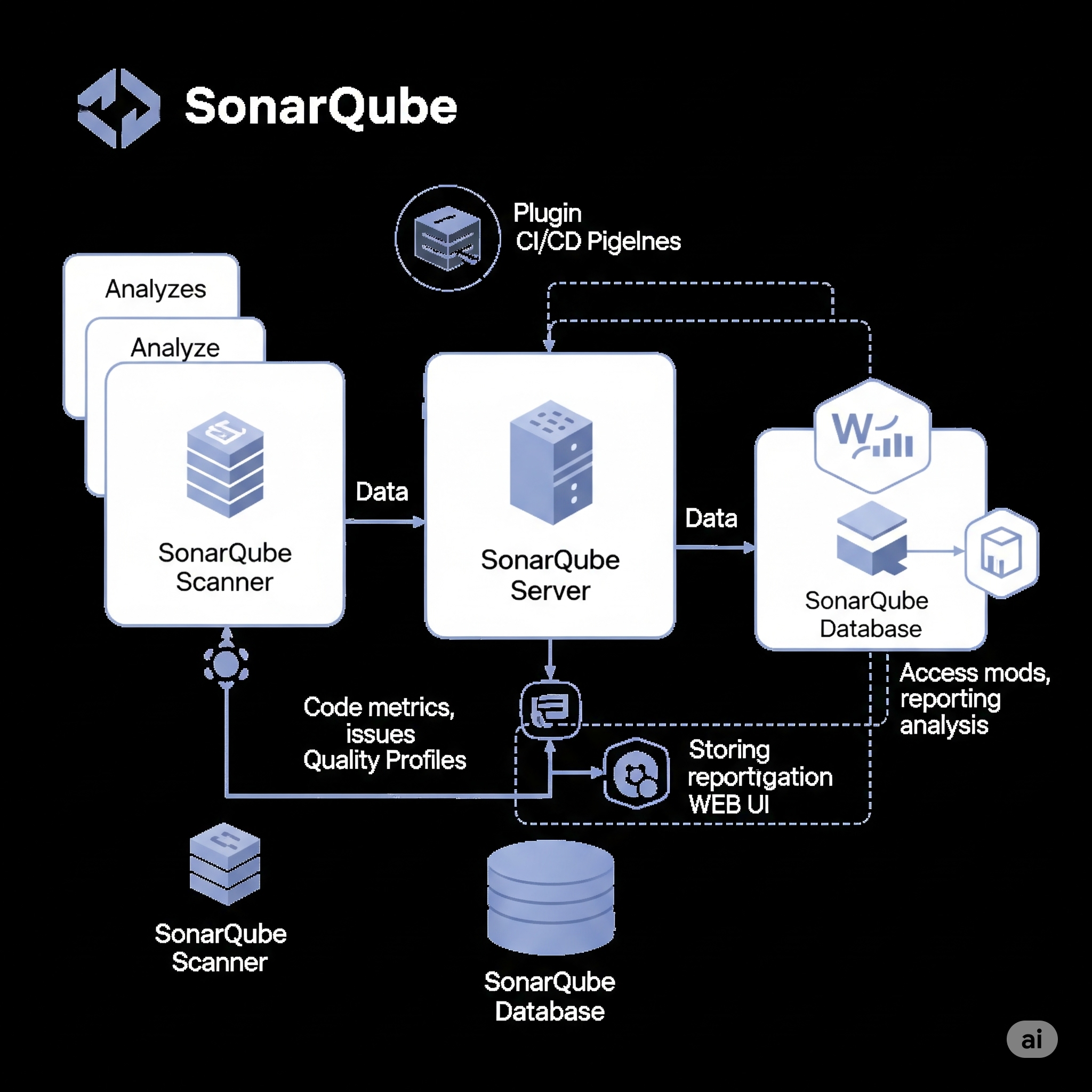
SonarQube in DevSecOps: A Comprehensive Tutorial
Introduction & Overview What is SonarQube? SonarQube is an open-source platform for continuous inspection of code quality. It enables development teams to detect bugs, vulnerabilities, code smells, and maintain high standards in software projects. Through static code analysis, it provides detailed reports and dashboards to monitor code health across over 30 programming languages, including Java,…
-

A Comprehensive Tutorial on Burp Suite in DevSecOps
Introduction & Overview What is Burp Suite? Burp Suite is a Java-based platform developed by PortSwigger for web application security testing and penetration testing. It provides a comprehensive toolkit to identify vulnerabilities, analyze HTTP/HTTPS traffic, and ensure web application security. Available in Community, Professional, and Enterprise editions, it caters to individual pentesters, security teams, and…
-
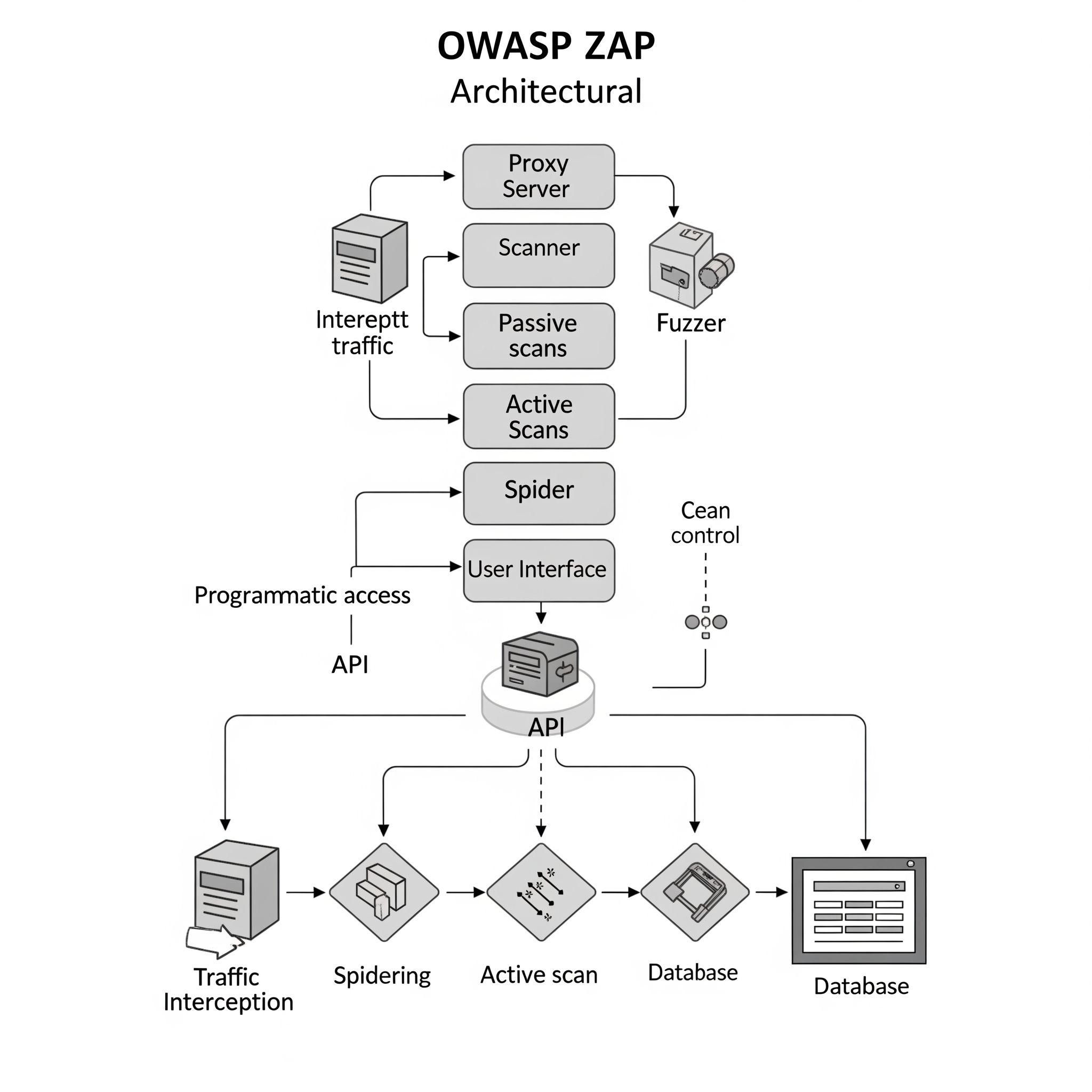
OWASP ZAP Tutorial: A Comprehensive Guide for DevSecOps
Introduction & Overview What is OWASP ZAP? OWASP ZAP (Zed Attack Proxy) is an open-source, free-to-use web application security testing tool maintained by the Open Web Application Security Project (OWASP). It is designed to identify vulnerabilities in web applications during development, testing, and deployment phases. ZAP acts as an intercepting proxy, capturing HTTP/HTTPS traffic between…
-

A Comprehensive Guide to Content Security Policy (CSP) in DevSecOps
Introduction & Overview Content Security Policy (CSP) is a powerful security mechanism designed to mitigate web-based attacks such as Cross-Site Scripting (XSS) and data injection. In the context of DevSecOps, where security is integrated into every phase of the software development lifecycle, CSP plays a critical role in ensuring secure application delivery. This tutorial provides…
-
Audit Logs in DevSecOps: A Comprehensive Tutorial
Introduction & Overview Audit logs are a cornerstone of security, compliance, and operational transparency in DevSecOps environments. They provide a detailed record of system activities, enabling teams to monitor, troubleshoot, and secure software development and deployment pipelines. This tutorial explores audit logs in the context of DevSecOps, covering their definition, architecture, setup, use cases, benefits,…
-

A Comprehensive Tutorial on Web Application Firewalls (WAF) in DevSecOps
Introduction & Overview Web Application Firewalls (WAFs) are critical components in modern cybersecurity, protecting web applications from threats like SQL injection, cross-site scripting (XSS), and other OWASP Top Ten vulnerabilities. In the context of DevSecOps, WAFs bridge development, security, and operations by embedding security controls into the software development lifecycle (SDLC). This tutorial provides a…
-

Comprehensive Tutorial on Fluentd in DevSecOps
Introduction & Overview What is Fluentd? Fluentd is an open-source data collection and logging tool designed to unify the logging layer across diverse systems. It collects, processes, and forwards log data from various sources to multiple destinations, acting as a flexible and scalable log aggregator. Written primarily in Ruby, Fluentd is lightweight, extensible, and supports…
-

Syslog in DevSecOps: A Comprehensive Tutorial
Introduction & Overview Syslog is a standard protocol for message logging, widely used in IT systems to collect, store, and analyze log data from various sources. In the context of DevSecOps, Syslog plays a critical role in enhancing visibility, ensuring security, and maintaining compliance across the software development lifecycle. This tutorial provides an in-depth exploration…
Follow Us
-
Strengthen Your Security Posture: How DevSecOps Protects the Modern SDLC
-

The Independent Rider’s Field Manual: Touring Japan on Two Wheels
-
The Independent Traveler’s Roadmap to Indonesia: Touring Bali, Jakarta, Lombok, and Beyond
-
DevSecOps and the Zero Trust Model: A Practical Guide
-

Riding and Driving Across China: A Practical Guide to Vehicle Rentals and Road Trips