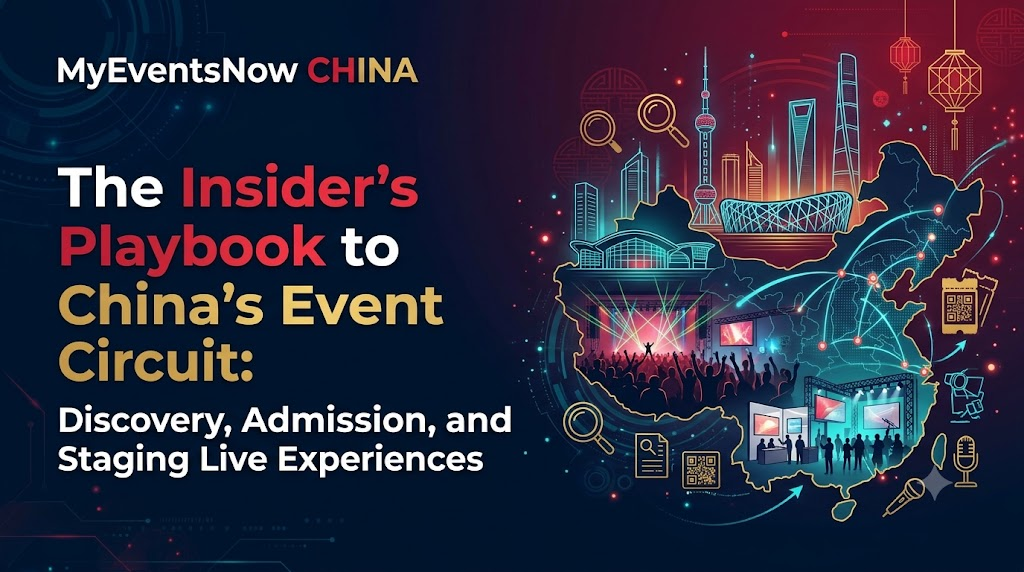
China is home to one of the most electric, technically sophisticated, and rapid-fire live experience sectors on the planet. On any given weekend, you can find experimental audiovisual sets tucked inside converted industrial warehouses, world-class symphony performances filling acoustic marvels, and mammoth multi-hall expos driving billion-dollar deals.
Yet for international tourists, resident expatriates, business delegates, and independent producers, engaging with this sprawling landscape involves a distinct learning curve. The systems that power admissions, event marketing, and audience entry follow specific frameworks that differ markedly from Western models.
Whether your priority is securing a legitimate seat at a sold-out stadium tour, sourcing high-value industry connections, or launching a multi-session symposium of your own, this practical handbook covers everything you need to navigate live experiences across the country with total confidence.
The Modern Landscape: Culture, Enterprise, and Offline Community
Live gatherings across the nation have expanded far beyond traditional state-backed expos and heritage pageants. Today’s landscape is shaped by a diverse, creative, and commercial energy driven by an urban demographic that places a high premium on curated offline experiences.
In premier metropolitan centers, weekends revolve around lifestyle showcases, maker pop-ups, community running clubs, and independent theater runs. At the same time, the country remains a vital epicenter for global trade, welcoming hundreds of thousands of overseas entrepreneurs, sourcing agents, and technical innovators to industry summits and commercial fairs year-round.
This rapid expansion has elevated expectations across the board. Audiences now expect instantaneous mobile registration, verified credentials, and real-time scheduling. For planners, the stakes are equally high: organizing a gathering requires synchronized coordination across domestic social networks, municipal safety regulations, identity-matching entry protocols, and diverse payment gateways.
Regional Epicenters: Where Experiences Take Center Stage
While creative and corporate gatherings thrive nationwide, a handful of Tier-1 cities establish the benchmark for audience participation and production standards.
Shanghai: Global Cosmopolitanism and Lifestyle Innovation
Shanghai is an international gateway where global trends blend with commercial ambition. The annual calendar features contemporary art biennales, international automotive fairs, design weeks, and tech masterclasses. Venues are just as varied, spanning historic brick villas in former concession neighborhoods to the colossal exhibition halls of the National Exhibition and Convention Center.
Those seeking Shanghai events and tickets will encounter a bilingual, globally fluent environment. The city’s high concentration of global corporations, creative studios, and multinational residents makes it the premier testing ground for experiential pop-ups, lifestyle conventions, and cross-border commercial summits.
Beijing: Institutional Influence and Cultural Depth
Beijing offers a different, distinctly powerful atmosphere rooted in heritage, institutional leadership, and academic scholarship. The capital hosts major international policy gatherings, classical performing arts seasons, and expansive tech symposia. Across creative enclaves like the 798 Art District, industrial warehouses host modern design festivals, hackathons, and experimental indie showcases alongside prestigious institutions like the National Centre for the Performing Arts.
Browsing Beijing events and tickets reveals an emphasis on industry leadership, fine arts, academic debate, and enterprise software. Corporate conferences held here regularly host senior policymakers, institutional leaders, and enterprise directors, requiring meticulous registration processes, strict security protocols, and refined organizational standards.
Specialized Regional Powerhouses
Beyond these two primary hubs, dynamic regional centers drive their own specialized sectors:
- Shenzhen & Guangzhou: The twin engines of the Greater Bay Area dominate hardware manufacturing showcases, global supply chain conventions, and electronic music festivals.
- Chengdu & Chongqing: Southwest cultural capitals renowned for youth culture, independent touring bands, street style showcases, and major esports tournaments.
- Hangzhou: The nation’s digital commerce hub, maintaining an active roster of cloud computing forums, digital marketing roundtables, and tech incubators.
The Attendee Playbook: Finding Verified Happenings and Securing Entry
For foreign guests, business travelers, and local expats, keeping tabs on reliable activities and securing valid entry can be surprisingly complex.
Finding What’s Happening Near You
Because announcements are often tucked away in private group chats, specialized mini-apps, and industry-specific bulletins, tracking down upcoming events in China requires a deliberate approach. A gallery opening might be publicized exclusively through boutique lifestyle channels, while a high-level trade panel might only appear in a closed trade association newsletter.
Centralized digital aggregators play a vital role here. By consolidating disparate niches—from wine tastings and cultural walking tours to stadium concerts—these portals allow attendees to filter options by city, language, and date, eliminating the need to monitor dozens of disconnected apps.
Demystifying Real-Name Registration
Ticketing protocols follow strict identity requirements designed to curb ticket scalping and meet municipal public security standards. Admission to large public gatherings frequently relies on real-name identity matching (shiminzhi).
- Domestic Residents: Tickets are tied directly to national ID numbers, allowing rapid entry via automated facial recognition turnstiles or ID card scanners.
- International Travelers and Expatriates: Entry credentials must be tied to a valid passport or permanent residence card.
A common challenge for international guests is running into booking interfaces that reject foreign passport formats or require SMS verification from domestic mobile carriers. Utilizing platforms equipped to handle international identification and cross-border payment configurations ensures overseas attendees never miss out on key cultural or corporate opportunities.
Understanding Admission Tiers
Modern conventions, music performances, and workshops feature structured admission tiers to match different attendee needs:
- General Admission: Standard entry providing access to open floor standing zones, exhibition floors, or unreserved gallery seating.
- Early Bird Tiers: Discounted passes released weeks or months in advance to reward early commitment and build event momentum.
- VIP Access: Premium tiers that bundle perks like expedited queueing, dedicated viewing platforms, hospitality suites, or exclusive merchandise.
- All-Access Delegate Badges: Commercial passes covering main-stage keynotes, technical breakout tracks, catered networking luncheons, and private evening mixers.
Live Music and Entertainment: The Concert and Festival Scene
Live music has surged to unprecedented heights, with stadium tours, mid-sized auditoriums, and open-air weekend festivals routinely selling out within seconds.
Sourcing Legitimate Concert Entry
Securing concert tickets in China requires a solid grasp of verified ticketing timelines and anti-fraud protocols. High demand for global touring artists, popular Asian acts, and classical ensembles routinely exceeds venue capacity.
Relying on unregulated secondary resellers involves genuine financial and legal risks, including duplicate QR codes, fraudulent passes, or mismatched personal credentials that cause buyers to be turned away at the gate. Attendees should prioritize primary distributors and verified online event ticket booking China services that interface directly with venue turnstiles and authorized event databases to guarantee ticket authenticity.
Practical Tips for Multi-Day Music Festivals
Major outdoor festivals—spanning indie rock, hip-hop, metal, and electronic music—are frequently held in suburban nature parks or dedicated outdoor cultural grounds. Attending them requires proactive planning:
- Transit Planning: Check whether organizers operate designated shuttle services connecting festival grounds to the nearest municipal metro stations or rail hubs.
- Cashless Venues: Food stalls, drink tents, and official merchandise booths operate exclusively on mobile payments or RFID wristbands. Cash is rarely accepted.
- On-Site Conveniences: Modern festival grounds typically offer luggage storage, mobile charging banks, and bilingual venue maps to ensure a smooth, comfortable experience.
Commercial Conventions: Trade Expos, Summits, and Industry Forums
On the corporate front, China remains one of the world’s most active convention destinations. From massive multi-hall sourcing fairs to targeted venture summits, in-person business events are critical for international trade, partnership development, and industry alignment.
The Role of Business Conventions
Participating in business conferences in China connects international executives, founders, and sourcing professionals directly with domestic manufacturers, technical leaders, and commercial distributors. Key gathering formats include:
- Sourcing and Trade Expos: Sprawling halls where suppliers exhibit physical goods, negotiate wholesale contracts, and connect with global buying syndicates.
- Tech and Venture Summits: Fast-paced conventions highlighting artificial intelligence, robotics, green energy, and biotechnology.
- Executive Seminars: Focused masterclasses and leadership roundtables designed for industry specialists and management teams.
Practical Guidance for Business Travelers
Attending a conference in an unfamiliar market involves practical logistics beyond standard registration:
- Translation Support: While major global summits provide simultaneous interpretation headsets, specialized regional trade gatherings may present entirely in Mandarin. Always confirm translation availability in advance.
- Digital B2B Networking: Many modern summits use dedicated digital platforms or mini-programs that let registered delegates browse attendee profiles, message peers, and book dedicated meeting suites prior to arrival.
- Visa and Travel Letters: International attendees typically require a formal invitation letter from the host or event organizer to secure an appropriate business travel visa.
The Organizer’s Playbook: Planning, Permitting, and Production
Staging a successful gathering—whether a small networking workshop or an expansive multi-day trade expo—demands a careful balance of creative curation, regulatory compliance, logistical precision, and reliable ticketing technology.
Navigating Permitting and Venue Logistics
Public events operate within structured administrative frameworks focused on crowd control, venue fire safety, and cultural compliance:
- Permits and Clearances: Commercial music performances, large-scale theater productions, and public outdoor festivals must obtain administrative approvals from municipal cultural bureaus and public safety agencies before marketing or ticket sales can legally begin.
- Capacity and Safety Controls: Venues must adhere to certified capacity limits. Organizers must submit detailed floor plans, emergency egress routes, and private security staffing deployments during the permit filing process.
- Venue Selection: Choosing between international convention halls, hotel ballrooms, historic creative spaces, or dedicated live music clubs requires assessing freight elevator access, power supplies, sound curfews, and existing municipal safety certifications.
Promotion and Audience Acquisition
Reaching audiences requires a tailored marketing approach. Standard Western funnels—such as Google SEO, direct marketing email lists, and Western social networks—do not reach the domestic audience effectively.
- Domestic Social Ecosystems: Campaigns rely heavily on WeChat (via official accounts, video channels, and targeted group chats), Xiaohongshu (for lifestyle and experiential discovery), and Douyin (for short-form video content and live-stream teasers).
- Grassroots Community Engagement: Niche interest networks—such as hobby clubs, software developer communities, and expatriate business associations—often deliver strong organic word-of-mouth recommendations.
- Frictionless Ticketing Checkout: Forcing prospective buyers through clunky, multi-page forms hurts conversion rates. The path from social post to confirmed ticket must be mobile-optimized and immediate.
Digital Ticketing Architecture: Selecting the Right Platform
An event’s success depends directly on the stability of its registration and ticketing backend. A frozen checkout page, missing attendee details, or long gate queues can damage an organizer’s reputation and create crowd safety risks.
Essential Features in Modern Ticketing Software
When evaluating an event ticketing software China solution, organizers should ensure it includes the following core capabilities:
| Operational Priority | Technical Requirement | Practical Advantage |
|---|---|---|
| Real-Name Verification | Native input parsing for domestic IDs and international passports | Eliminates unauthorized ticket resale and satisfies municipal public security requirements. |
| Cross-Border Payments | Integrated mobile wallet processing (WeChat Pay, Alipay) alongside global credit cards | Maximizes conversions across domestic attendees, resident expatriates, and foreign visitors. |
| Dynamic Tiering | Automated inventory control for multiple ticket categories (Early Bird, VIP, Group Passes) | Prevents overselling while giving you granular control over venue capacity and cash flow. |
| High Concurrency Stability | Cloud-native infrastructure engineered to manage high traffic volume | Ensures uninterrupted site reliability during competitive ticket drops. |
| Rapid Check-In Scanners | QR code entry scanning using mobile apps or dedicated gate handhelds | Eliminates lobby congestion, accelerates gate flow, and delivers live attendance tracking. |
Attendee Data Security and Compliance
Under China’s Personal Information Protection Law (PIPL), organizers must handle personal customer data with strict care.
Event hosts must verify that their chosen event registration platform China complies with national privacy regulations. Collect only the information strictly necessary for venue access or security clearances, clearly inform attendees why their personal details are needed, and ensure the platform uses encrypted storage to safeguard guest records against unauthorized access.
Step-by-Step Organizer Blueprint: From Concept to Wrap-Up
Executing an event smoothly demands an orderly operational timeline. Below is an eight-phase operational roadmap:
[Phase 1: Concept, Audience, & Budgeting]
                   │
                   ▼
[Phase 2: Venue Contracting & Permitting]
                   │
                   ▼
[Phase 3: Digital Ticketing Configuration]
                   │
                   ▼
[Phase 4: Omnichannel Marketing Campaign]
                   │
                   ▼
[Phase 5: Attendee Briefings & Pre-Event Comms]
                   │
                   ▼
[Phase 6: Gate Access & Turnstile Setup]
                   │
                   ▼
[Phase 7: Live Execution & Floor Management]
                   │
                   ▼
[Phase 8: Post-Event Analytics & Reconciliation]
Phase 1: Concept, Audience Profiling, and Budgeting
Clarify your event’s core purpose. Are you aiming for ticket revenue, professional lead generation, or community building? Build a comprehensive budget that accounts for venue rental, AV production, speaker fees, event staffing, insurance, promotional campaigns, and platform transaction fees.
Phase 2: Venue Contracting and Permitting
Choose a venue with the appropriate commercial licenses. For concerts, outdoor festivals, or large public gatherings, submit official filings to municipal cultural and public safety bureaus well before launching your marketing. Ensure your venue contract clearly outlines setup windows, electrical loads, and overtime rates.
Phase 3: Digital Ticketing Configuration
Set up your digital event portal. Define your ticket tiers, set early-bird pricing cutoffs, configure custom registration fields (such as dietary requirements, corporate titles, or passport details), and verify payment gateway processing across both mobile and desktop screens.
Phase 4: Omnichannel Marketing Campaign
Coordinate your rollout across partner media, community channels, and social networks. When you choose to list your event in China on high-visibility directories, ensure event listings are bilingual, visually compelling, and transparent regarding venue location and refund terms.
Phase 5: Attendee Briefings and Pre-Event Comms
A few days before the event, send registered guests practical logistical instructions. Include transit tips (nearest metro exits, parking details), entry requirements (valid ID documents), daily schedules, and venue restrictions (such as bag size limits or prohibited recording equipment).
Phase 6: Gate Access and Turnstile Setup
Equip door staff with synchronized mobile scanners or scanning hardware. Create distinct check-in lanes for general admission, VIPs, and speaker badging to prevent entrance bottlenecks. Keep an offline guest register accessible in case venue cellular service drops under heavy crowd density.
Phase 7: Live Execution and Floor Management
Keep a close eye on room capacities and crowd circulation throughout the day. Ensure audiovisual technicians remain on standby, and keep open lines of communication between security teams, venue managers, and production staff.
Phase 8: Post-Event Analytics and Reconciliation
Review check-in rates, peak arrival times, and revenue figures. Send thank-you notes to attendees with presentation slide decks, highlight videos, or early-bird codes for future editions. Reconcile ticketing proceeds and vendor balances promptly.
Navigating Common Operational Pitfalls
Anticipating common industry pain points allows organizers and attendees to put sensible contingency measures in place:
Pitfall 1: The Expat and International Discovery Gap
Many international residents and short-term visitors rely on Western search tools and browsers, leaving them unaware of dynamic local events advertised solely within domestic apps.
- The Solution: Organizers should post listings on cross-cultural discovery platforms that provide verified bilingual details and accept international payment methods. Attendees can likewise rely on internationalized directories to see what is happening locally.
Pitfall 2: High Attrition for Free Events
Free registration workshops, community meetups, and networking panels frequently suffer high no-show rates, leaving organizers with half-empty rooms despite booked capacities.
- The Solution: Introduce a nominal commitment fee, or set up automated calendar invites and SMS reminders. For corporate workshops, requiring guests to re-confirm their spot 48 hours before the event frees up seats for waitlisted participants.
Pitfall 3: System Crashes During Peak Registration
When tickets for high-demand music tours or premier business conventions go live, sudden spikes in concurrent traffic can overwhelm basic servers, causing payment errors and frustrating potential attendees.
- The Solution: Use auto-scaling cloud ticketing software. Staggering ticket releases across multiple phases or running pre-registration lottery draws helps smooth traffic spikes while keeping the checkout process transparent.
Pitfall 4: Gate Bottlenecks and Queue Delays
Paper guest rosters and slow, single-device scanning quickly create lobby bottlenecks, frustrating attendees and raising crowd control concerns.
- The Solution: Implement rapid-scanning dynamic QR codes that refresh periodically to prevent shared screenshots. Setting up clearly marked express check-in lanes for pre-registered guests keeps door traffic moving smoothly.
Connecting the Ecosystem: The Role of MyEventsNow China
As China’s live experience economy flourishes, dedicated platforms are essential for connecting audiences with verified events while providing organizers with dependable operational tools. MyEventsNow China fills this role, functioning as an integrated discovery and booking engine built to streamline the ticketing and management process nationwide.
For Attendees: Straightforward Discovery and Verified Access
Finding verified cultural and professional events in a fast-paced market can feel overwhelming, but MyEventsNow China provides a single hub where users can browse and book tickets across a wide variety of categories. The platform lists everything from headline concerts, weekend music festivals, and nightlife parties to high-level trade conferences, professional workshops, and social meetups.
Guests looking for activities in major commercial centers can review Shanghai events and tickets with clear English listings, transparent pricing, and straightforward checkouts. Similarly, those searching for Beijing events and tickets can explore creative exhibitions, academic panels, and corporate summits without struggling through complex local apps or unsupported payment channels.
By simplifying access to concert tickets in China and offering direct registration for industry gatherings, the platform gives global visitors, business travelers, and resident expats complete confidence in the authenticity of their bookings.
For Organizers: Reliable Infrastructure for Growth
For independent producers, agencies, institutions, and community organizers, managing attendees and building an audience requires intuitive tools. MyEventsNow China serves as an effective event registration platform China, making it straightforward to list your event in China and reach an active, diverse base of attendees.
Organizers can customize ticket categories, run promotional discounts, tailor registration questionnaires, and monitor sales trends via a centralized dashboard. Instead of wrestling with complex administrative setups, producers can sell event tickets online China, collect necessary attendee credentials securely, and utilize mobile check-in tools at the door. By combining public discovery with robust administrative features, the platform allows creators to focus on delivering fantastic live experiences.
Future Trajectories: How Live Gatherings Are Evolving
Emerging technologies, shifting demographic preferences, and novel event concepts are actively shaping the future of live experiences:
1. Hybrid and Digitally Augmented Summits
While face-to-face interaction remains irreplaceable, enterprise conferences and academic forums increasingly adopt hybrid models. Real-time translation captions, high-definition live streams, and interactive Q&A apps allow organizers to engage international participants without compromising the on-site experience.
2. Immersive and Interactive Formats
Audiences, especially younger demographics, want active participation over passive observation. This shift has fueled the popularity of immersive theater, projection art spaces, live-action roleplay mysteries, and multi-sensory culinary pop-ups. Planners are turning historic warehouses, retail atriums, and repurposed industrial spaces into dynamic creative stages.
3. Sustainable Production Standards
Environmental responsibility is shifting from a superficial marketing bullet into a core operational priority. Major expos and festivals are pursuing zero-waste and green certifications by eliminating single-use plastics, deploying digital-only badges, using venues powered by renewable energy, and encouraging public transit use.
4. Focused Micro-Communities
Alongside massive festivals and corporate expos, boutique micro-gatherings are thriving. From specialty coffee tastings and developer roundtable discussions to vinyl listening nights and trail-running clubs, these events prioritize authentic connection over sheer scale, relying on streamlined registration tools to manage tight-knit communities.
Practical Checklist for Event Attendees
Keep these straightforward tips in mind to ensure a hassle-free event experience:
- Stick to Official Channels: Always purchase passes through verified platforms and official primary outlets to avoid counterfeit passes or non-transferable registrations.
- Bring Matching Identification: Always carry the exact ID document (passport, resident card, or national ID) used during registration, as gate staff routinely match ticket data to physical documents.
- Verify Language Support: Check event descriptions beforehand to confirm whether talks or guides will be offered bilingually or solely in Mandarin.
- Map Out Transit: Double-check your route to nearby metro stations and verify return schedules, particularly for late-night music shows or suburban festivals where transit services may close early.
- Set Up Mobile Wallets: Make sure your mobile payment apps (WeChat Pay or Alipay) are connected to an active card, as cash is rarely accepted by vendors inside event spaces.
Frequently Asked Questions (FAQs)
1. Can foreign passport holders buy tickets for events in China directly?
Yes. Established event sites and official ticketing engines provide designated checkout fields for international passport details. Because venues frequently use real-name verification, make sure your registered name and passport number match your physical travel document exactly, and carry that physical document with you for door entry.
2. What essential features should planners look for in an event ticketing platform?
Look for platforms that accept both domestic mobile wallets and international bank cards, support real-name ID collection, provide rapid QR code check-in scanning, and host an active public discovery hub. A strong solution balances intuitive self-service setup with broad marketing reach.
3. How do venue turnstiles check ticket validity at large concerts and sporting events?
High-capacity venues use automated gates with integrated barcode readers, identity card scanners, and, in some cases, facial verification cameras. When an attendee arrives, they present their live digital QR pass or tap their identity card; the gate verifies the credential against the official system in real time before releasing the turnstile.
4. What formal approvals are needed to run a public event in China?
Requirements depend on the scale, category, and venue. Modest corporate seminars or private hotel workshops usually require little beyond standard venue contracts. However, major public festivals, theater productions, and commercial concerts must secure formal permissions from local cultural, public safety, and fire bureaus before advertising or opening sales.
5. Why are digital mobile wallets required at most events?
China operates primarily as a mobile-first, cashless society. Food trucks, merchandise counters, and shuttle operators rely almost entirely on mobile payment QR codes via WeChat Pay and Alipay. Carrying paper cash is impractical, as vendors rarely keep change on hand. Linking a local or international card to a supported mobile wallet ensures you can purchase concessions and merchandise without issue.
6. How far ahead should I book business summits and live concerts?
For major business conventions, reserving passes one to three months in advance guarantees early-bird discounts and gives you time to request visa invitation letters. For high-demand pop concerts and festivals, tickets frequently sell out in minutes; register your account and complete your identity details on the ticketing platform before sales open.
7. What is the most effective way for organizers to reach international attendees in China?
To connect with expatriates and business travelers, publish comprehensive bilingual listings, share announcements through international business chambers and community groups, and list your gathering on cross-cultural discovery portals. Offering simple sign-ups that accept international contact information and diverse payment options will significantly boost participation.
China’s live event environment offers rich possibilities for cultural exchange, entertainment, and professional networking. By understanding how key cities operate, using modern ticketing infrastructure, and planning your logistics carefully, navigating and succeeding in this fast-paced market becomes a straightforward, rewarding experience.








Leave a Reply
You must be logged in to post a comment.